
Help Is Other People
community is hard because people are people

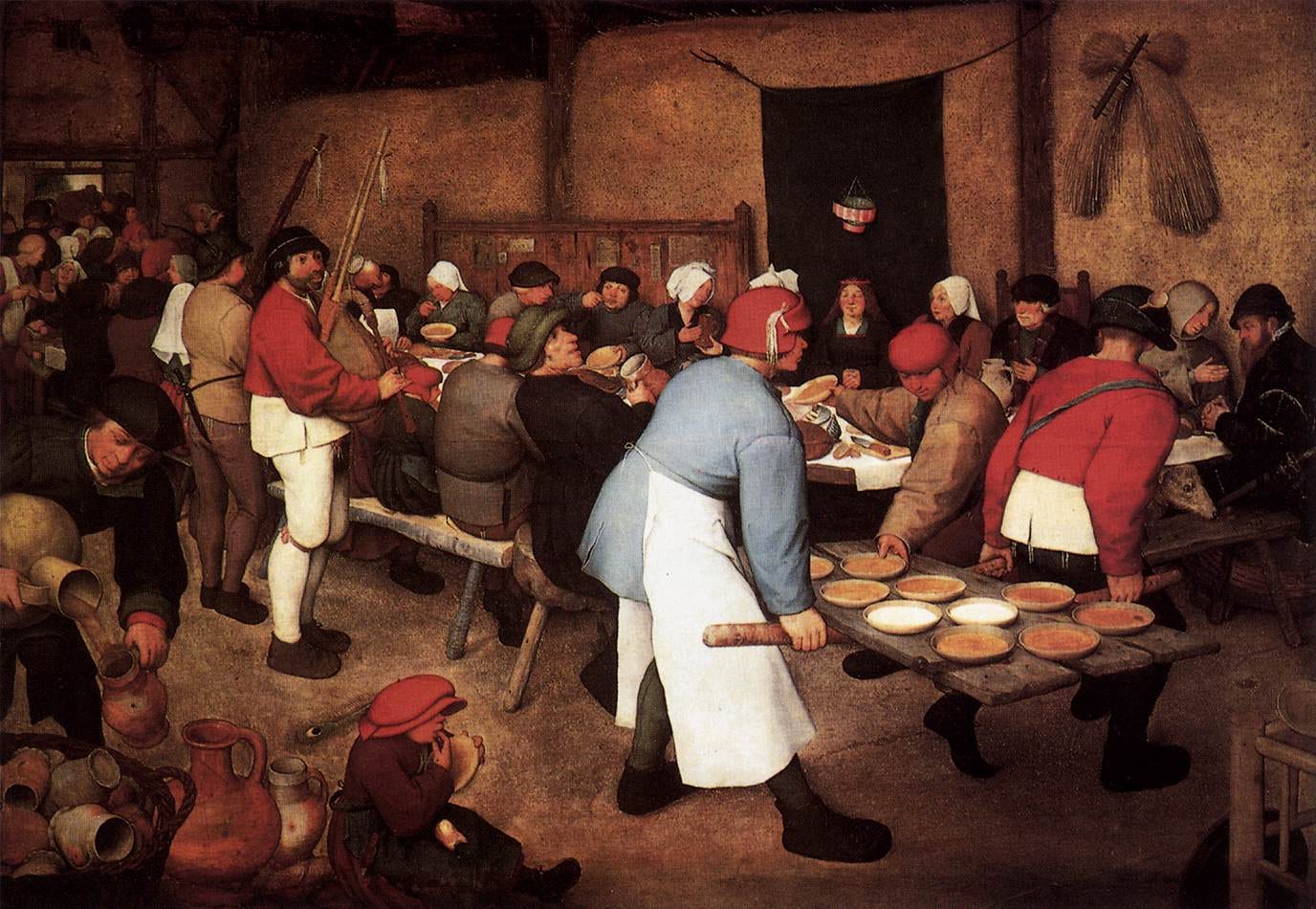
I’ve been thinking a lot lately about how inconvenient it is to rely on other people. Particularly — as I have been pondering how blessed I am to live near family— the realization that other people are as deeply flawed as I has opened my eyes to a potential, minute contribution to our lack of communities these days.
That’s not to say that I, as a 22-year-old woman, have just realized that other people are flawed. Of course not, I’ve known that since pre-K. What has become ever more apparent to me, however, is that in order to obtain the help and community that so many long for, we must be willing to interact with people we don’t like.
A couple of years ago, I read Jean-Paul Sartre’s No Exit with some friends in a book club. The existentialist play is most famous for the line “hell is other people.” Sartre is making a philosophical commentary on his beliefs about the true nature of hell, how our legacy in the minds of other people, once we die, is what damns us, not the existence of a literal Hell. The more popular understanding of that line is this: that hell consists of other people, and those people are what make it hell.1
Many a misanthropic edgelord has proclaimed this notion, and in fact, there is a small something to it, given that all have sinned and fallen short of the glory of God. None of us is perfect; far from it. For those seeking community, particularly parents seeking village-like support for their families, it must be accepted that to want the help and support of other people is to accept the sacrifice of dealing with other people.
Lane Scott has written many great things about community and how it must be cultivated, and it is not something we can pay to enroll in. Cartoons Hate Her wrote about this phenomenon in her piece below, her thesis being that not having a village is actually a revealed preference.2 I agree to an extent; I believe people genuinely do want a village and (at least subconsciously) know it would be better for them and their children. But I also think that people, and parents more specifically, are not willing to make the sacrifice of actually depending on other people for help.
If one wants help with the kids from in-laws, that entails actually dealing with one’s mother-in-law. When discerning marriage with my husband, I considered his family in that decision. That sounds really old-fashioned and bizarre in our hyper-individualistic culture, but marriage does not just entail getting a new spouse; it entails a whole new family. I thank God that my mother-in-law isn’t one of those mothers who wishes she were still breastfeeding her son; if she had been, I likely would not have married my husband because I’m not willing to deal with that level of crazy.
Geniune (crazy and/or abusive) exceptions aside, the average idiosyncrasies and minor vices that make family and friends difficult to be around are exactly those things which we must navigate like responsible adults if we truly want community. Also, it would be shallow and naive to assume that we ourselves do not do things and behave in ways that make those around us not want to help us. A true village requires maturity, responsibility, trust, and — most importantly — charity.


This is what I gather from the first portion of the essay and the surrounding discussion. I am poor and unfortunately cannot afford a subscription to read the full piece, so if my description of the essay is incorrect, please let me know!
I loved the way you tied it to Sartre’s “hell is other people” and then reframed it as an invitation to accept the messiness of relationships in order to build real community. Your reflections on marriage, family, and parenting felt very grounded—I could almost feel the balance you describe between wanting support and navigating others’ quirks.
Parent or not, I think we all eventually run into the problem of "I want community, but I don't want to be confronted by vice and drama." And yet, we will encounter the good and the unpleasant.
In a similar vein, and I think partly in response to CHH's famed article, here's a piece about how receiving help with one's children=not being fully in control:
https://www.theatlantic.com/family/archive/2025/01/intensive-parenting-village-child-care-incompatible/681113/?gift=LOHqkGHlPBTq6L2XIv-27tq-MCo2wwlpCXq1UbxuaIw&utm_source=copy-link&utm_medium=social&utm_campaign=share.